
May 19, 2026·5 min read
What to Wear on a Favela Tour in Rio de Janeiro (And What to Leave at the Hotel)
Practical packing guide for favela tours in Rio: what shoes, clothes, and gear to bring, what to leave behind, and why the rules are simpler than you think.

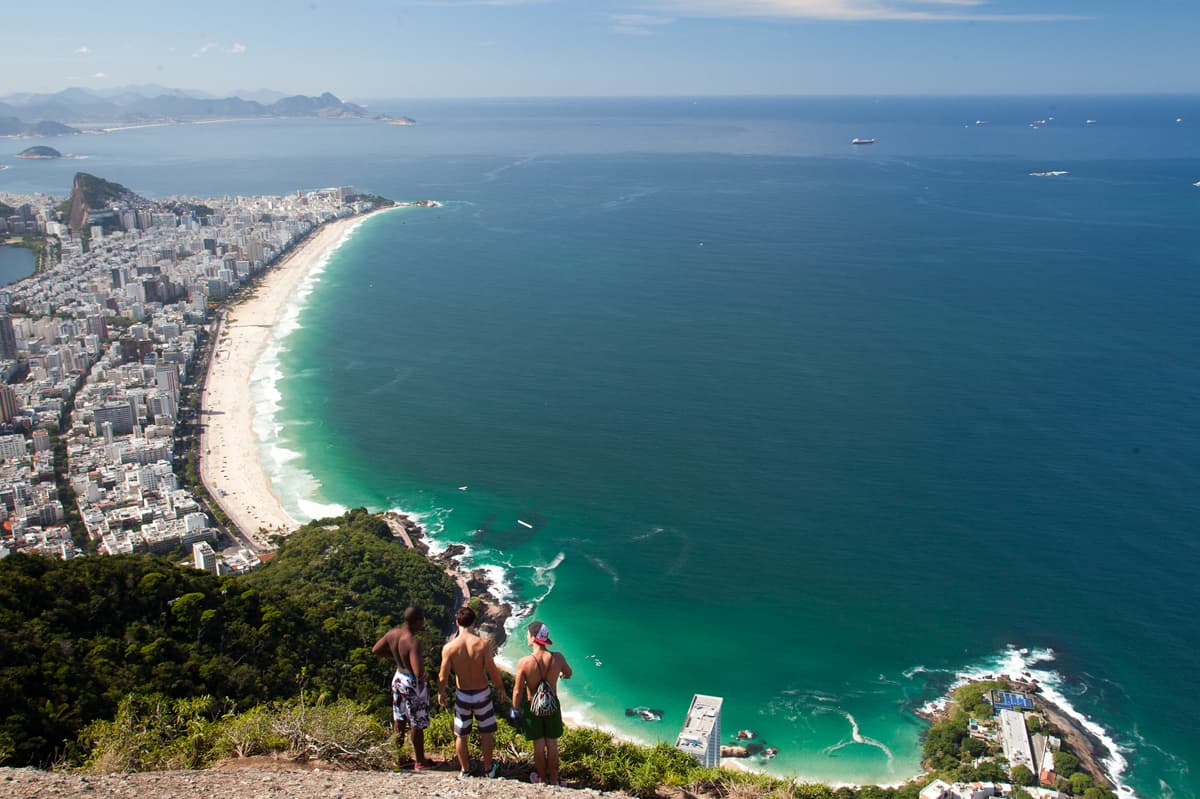
If you're planning a favela tour in Rio and spiralling into what to pack, stop. The honest answer is: comfortable walking clothes, closed-toe shoes, and a small backpack. That covers 95% of it.
The longer answer below is for people who want specifics, or who are combining a tour with a sunrise hike and need to think about layers.
What to Wear: The Essentials

Shoes: This Is the One That Matters
Favela streets are steep, uneven, and often damp. Steps are irregular. Paths narrow. In Rocinha especially, you'll be navigating alleys that no tourist map has ever captured.
Wear: trainers (sneakers), light hiking shoes, or any closed-toe shoe with grip. Trail runners are ideal for the Dois Irmãos hike.
Don't wear: sandals, flip-flops, heels, or fresh white trainers you care about. Sandals are a turn-ankle risk on cobblestone. Flip-flops are banned on the Dois Irmãos trail for safety reasons.
Clothing: Light and Unremarkable
Rio is hot. Favelas are densely built and often hotter than the beachfront. Breathable, light clothing is the right call year-round.
Good choices:
- Lightweight t-shirt or linen shirt
- Shorts, chinos, or light trousers
- Sports leggings if hiking
Avoid:
- Expensive, obviously branded clothing (not a safety issue, just uncomfortable to wear in a community that's economically mixed)
- Tight or restrictive clothing for the hike routes
- Anything you'd be devastated to get dusty or damp
There's no dress code for respecting the community. People live and work in these neighbourhoods. Dress like someone going for a walk in a city, because that's what you're doing.
The Sunrise Hike: Add Layers
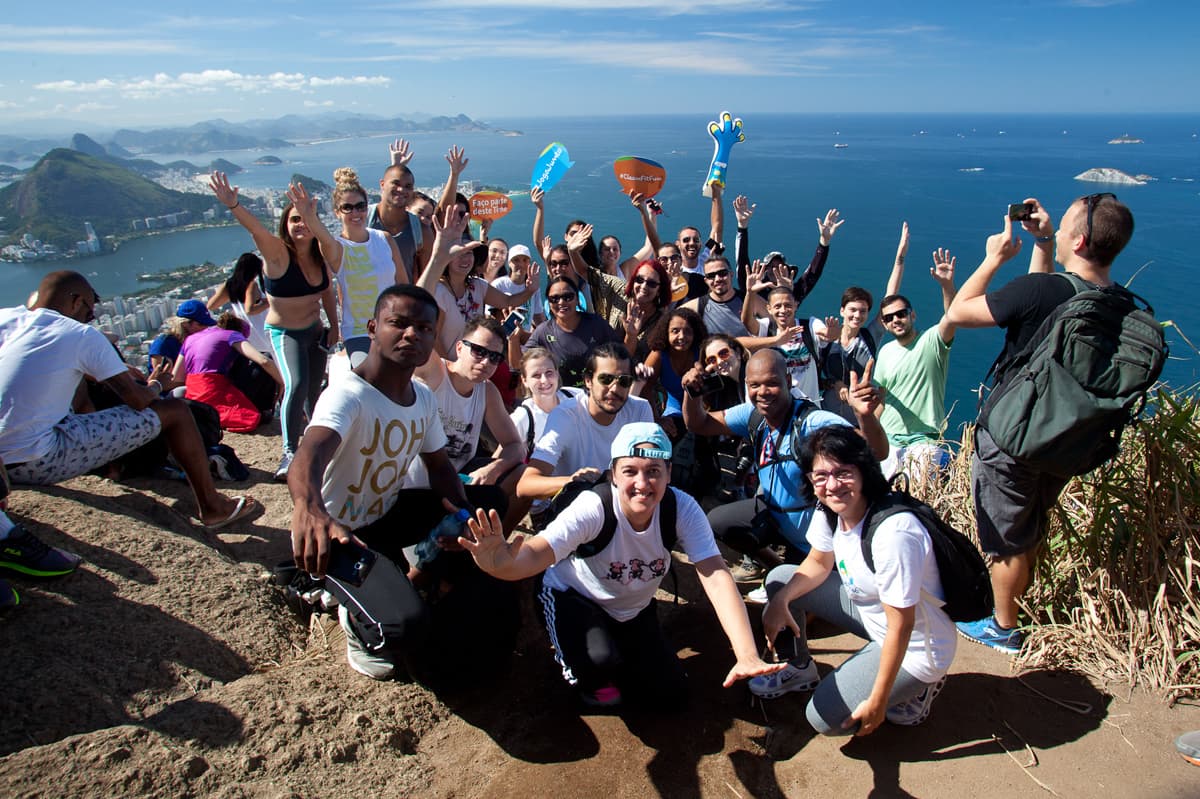
If you're doing the Dois Irmãos Sunrise Hike, you're starting before dawn. At the trailhead (around 4:30–5am), it can be genuinely cool, especially in June through August (Rio's winter). The summit catches wind.
Bring a light layer, a zip hoodie or thin long-sleeve, that you can tie around your waist once it warms up. By the time you're heading down, you'll want both hands free and won't want to carry anything bulky.
What to Bring: The Practical List
Carry-with-you bag:
| Item | Notes |
|---|---|
| Small daypack or crossbody bag | Hands-free is easier on stairs and alleys |
| Water bottle | Bring at least 1 litre. Refills available at local vendors |
| Sun protection | Hat, SPF: Rio sun is intense even in cloud |
| Sunglasses | |
| Light rain layer | June–November brings afternoon showers |
| Phone | For photos, but keep it discreet in crowded areas |
| Cash (R$) | For local vendors, tips, and açaí stops. Cards not always accepted |
| ID or a photo of your passport | Standard Rio advice for any excursion |
For the sunrise hike specifically:
- Headlamp or phone torch (pre-dawn trailhead)
- Extra water (at least 1.5 litres)
- Snack (bananas, trail mix, granola bar)
- Light jacket or hoodie
What to Leave at the Hotel
Valuables you don't need:
- Laptop or tablet
- Passport (leave this in the safe; carry a photo instead)
- Expensive jewellery, watches, or accessories
- Multiple bank cards (one debit card is enough)
- Large amounts of cash
This isn't because favela tours are dangerous. It's standard Rio advice that applies equally in Copacabana, Santa Teresa, or any neighbourhood where pickpocketing is a background risk. Carry what you'd carry on any city walk. Leave what you'd leave.
Camera gear:
A camera is fine. A telephoto lens pointed at residents through windows is not. If you want to photograph someone, ask first. Most people are happy to pose. Some aren't. Respect both answers.
Should I Bring Cash?
Yes. Bring R$50–100 for a half-day tour, more if you want to buy from local vendors, support community businesses, or tip your guide.
Most community businesses in favelas are cash-only. Some have card readers now, but reception inside dense urban favelas can be unreliable. Your guide will have card-reader backup, but cash is smoother.
ATMs in Vidigal and Rocinha exist but are limited. Better to arrive with cash from a beachfront ATM or your hotel.
What the Weather Does to Your Packing List
Rio has two distinct seasons that affect what you bring:
October–March (wet season / summer):
- Hot and humid, temperatures 28–36°C
- Afternoon rain showers are frequent, a packable rain layer is worth it
- Dress as light as possible
- Morning tours avoid the worst heat
April–September (dry season / winter):
- Cooler and drier, 20–28°C most days
- Early mornings can reach 15°C at altitude (relevant for sunrise hike)
- Light layers useful for pre-dawn starts
- Best visibility for Dois Irmãos summit views
Frequently Asked Questions
Can I wear shorts? Yes. No dress code applies. Locals wear shorts.
Is a phone camera good enough? Completely. You don't need a DSLR. Phone cameras handle the light and the conditions well, and are less obtrusive.
What if it rains? Tours run in light rain. Heavy rain will be rescheduled. A packable poncho or light rain jacket is useful during wet season. Your guide will advise on the day.
Do I need travel insurance? We recommend it for any international trip. It's not specific to favela tours.
Is there anywhere to store luggage? No storage at the meeting point. If you're joining directly after a flight or before checking in, discuss options with us when you book.
The Summary Version
Wear trainers. Bring water and sunscreen. Carry a small bag with cash and your phone. Leave your passport and expensive gear at the hotel. That's it.
Everything else, context, culture, stories, and the view from the top of Dois Irmãos at sunrise, we'll handle.
Book a tour → · Is it safe to visit a favela in Rio? → · Vidigal vs. Rocinha: which tour? →
Favela Experience: community-led tours in Rio de Janeiro since 2011. Featured in The Wall Street Journal, CNN, Forbes, The Guardian, and NPR.
AN
Adam Newman
Co-founder · Favela Experience, operating since 2011