May 19, 2026·6 min read
Is It Safe to Visit a Favela in Rio de Janeiro? A Local's Honest Answer
The honest answer on favela safety in Rio, from an operator with a 15-year, zero-incident record. What the headlines get wrong, and how to visit safely.
Yes. Visiting a favela in Rio de Janeiro with a community-led tour operator is safe. Favela Experience has run guided tours since 2011 with a 15-year, zero-incident safety record. The communities we work in, primarily Vidigal, are among the most peaceful neighbourhoods in Rio for visitors. The fear most travellers carry comes from outdated news coverage, not current reality.
That said, "safe" isn't unconditional. How safe depends entirely on who takes you, how well they know the community, and whether they're honest about conditions on any given day. We'll break all of that down here.
📖 6-minute read · Last updated May 2026
Why People Worry About Favela Safety
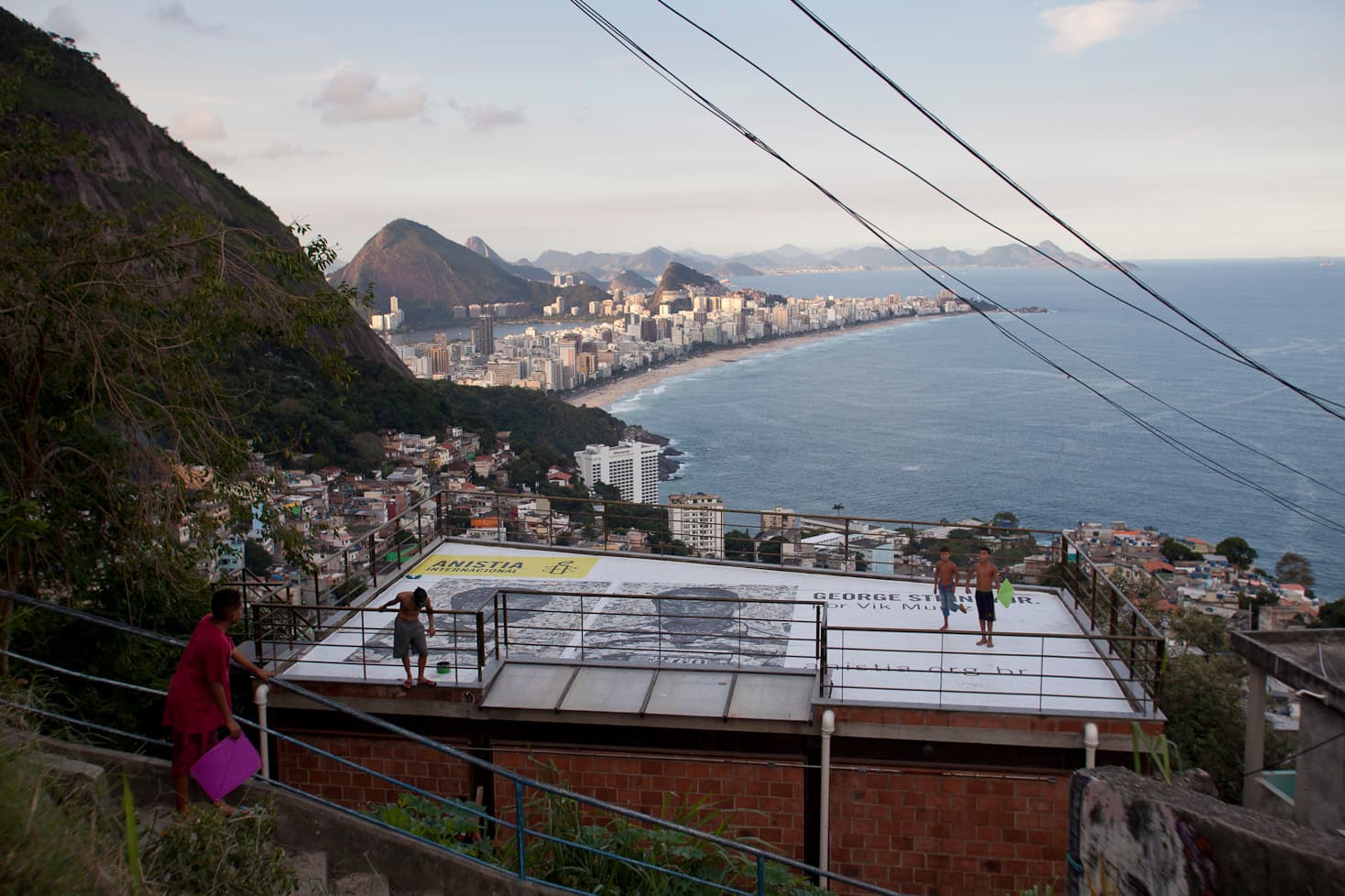
The concern is understandable. For decades, international coverage of Rio's favelas focused almost exclusively on drug trafficking, gang conflict, and police operations. That coverage wasn't fabricated, but it was profoundly incomplete, and it calcified into a stereotype that hasn't matched reality for years.
Vidigal, where Favela Experience is based, has developed into one of the most sought-after neighbourhoods in Rio: with community projects, local restaurants, art, and a thriving local economy. Visitors who arrive expecting danger leave baffled that they ever worried.
Rocinha is larger and more complex, but the streets we walk are active, community-run, and have been part of our guided tours for over a decade without incident.
The other thing the headlines miss: favela communities are, above all, home. People live there. They go to work, send kids to school, run businesses, celebrate birthdays. A community with functional daily life doesn't look like a war zone, because it isn't.
"Shattered the stereotypes of a favela being a perilous place to go." Sam C, Kendal UK
Our 15-Year Safety Record
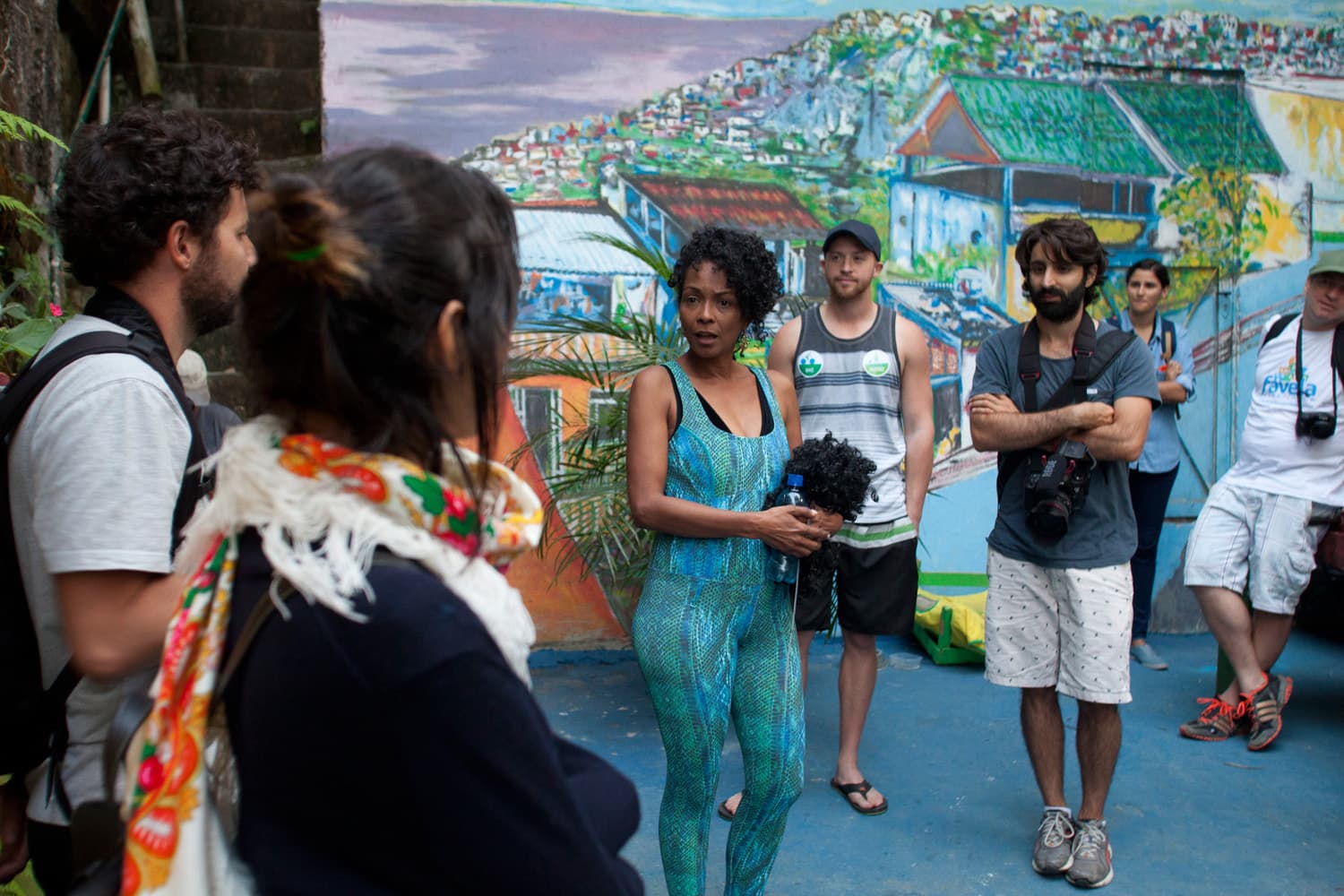
Favela Experience has operated guided community tours since 2011. In 15 years and thousands of tours, we have recorded zero security incidents involving guests.
That's not luck. It's the direct result of three things:
Guides who grew up there. Your guide knows every resident, every business owner, every moto-taxi driver on the route. When the community knows you, you're not a target, you're a guest.
Real-time daily assessment. Before every tour, our team checks current conditions. If anything is off, even slightly, we cancel. No argument, full refund or free reschedule.
15 years of community relationships. The community knows Favela Experience. They've watched us bring respectful visitors who spend money locally and treat people with dignity. That trust is our most important safety infrastructure.
As featured in The Wall Street Journal, CNN, Forbes, and The Guardian: none of those outlets would return if our record didn't hold up to scrutiny.
Read the complete favela tour guide →
How We Keep You Safe
Before you arrive: Every guest gets a pre-tour WhatsApp briefing: what to wear, what to leave at the hotel, exact meeting point, what to expect.
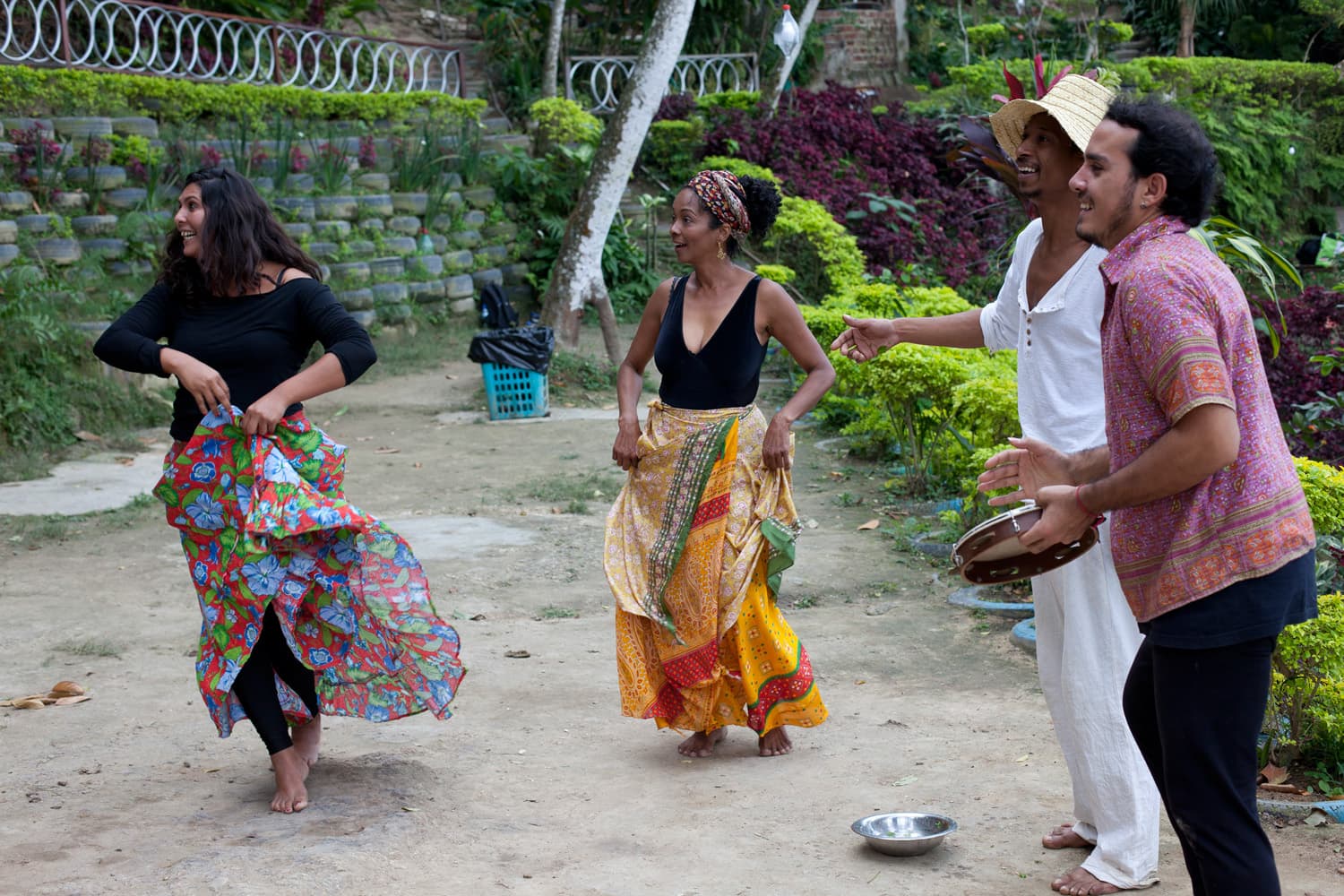
During the tour: Your guide is your point of contact with the community. Every introduction is real. Every shop they take you into, they have a relationship with the owner. When you're with someone who belongs there, you belong there too.
If conditions change: Our guides know the community's rhythms. If something shifts mid-tour, they know exactly what to do. In 15 years, we've never needed to use that knowledge, but it exists.
The no-list for guests:
- Expensive watches, flashy jewelry, high-end camera setups
- Drones (never, under any circumstances)
- Wandering away from the group
- Loud or entitled behaviour
Red Flags: How to Spot an Unsafe Favela Tour
Not all favela tours carry the same safety infrastructure. Avoid these:
❌ Jeep or bus tours: windows-up drive-throughs with no community connection and no local guide safety network
❌ Unlicensed individual guides: no vetting, no accountability, no community relationships
❌ Operators who can't name which community their guide grew up in: outside hires don't have the local relationships that make the safety model work
❌ No cancellation policy for unsafe conditions: an operator who has never cancelled a tour isn't paying attention
❌ No verifiable press coverage or TripAdvisor history: if you can't assess their track record, you can't assess their safety record
What Guests Say About Feeling Safe
"Eye opening experience to Brazilian culture, felt safe the entire time." Stacey Q
"Completely changed my impression of a favela. Highly recommended for anyone visiting Rio." HJacq1, Birmingham UK
"Exactly the kind of responsible tourism the world needs more of." Michael I, London
4.9 stars on TripAdvisor. The safety theme comes up in reviews again and again, not because we prompt for it, but because it's what guests are most surprised to discover wasn't an issue.
Practical Safety Tips for Your Visit
Wear: Comfortable walking shoes, lightweight clothing, a hat. Nothing that signals wealth.
Bring: Phone, light cash for local vendors (most places accept cards too), sunscreen.
Leave at the hotel: Expensive watches, flashy jewelry, your passport (carry a phone photo instead).
Photography: Street scenes and architecture: go ahead. For portraits of people, always ask first. Respect a no.
Getting there: Uber to the meeting point. We send WhatsApp directions after booking. Don't walk in alone to find us.
Trust your guide. They grew up there. If they say something, there's a reason.
The Bottom Line
Vidigal and Rocinha, on a guided tour with Favela Experience, are safe for visitors. We've been proving that since 2011: through press coverage that's scrutinised us, through thousands of guests who've returned and sent their friends, and through a zero-incident record that stands on its own.
The fear is older than the reality. Come see the reality.
Book a tour → · Read the complete favela tour guide → · See all our tours →
As featured in The Wall Street Journal, CNN, Forbes, The Guardian, and NPR.
AN
Adam Newman
Co-founder · Favela Experience, operating since 2011